Connecting with Nature: The Importance of Wildlife in Mindfulness Practices
Connecting with Nature: The Importance of Wildlife in Mindfulness Practices
In today's fast-paced world, the practice of mindfulness has gained significant attention as a means to achieve mental clarity and emotional stability. One of the most profound ways to deepen this practice is through a connection with wildlife. Integrating nature into your mindfulness journey not only enhances your sense of well-being but also fosters a deeper appreciation for the environment around us. This article explores the importance of wildlife in mindfulness practices, emphasizing how nature therapy can transform our lives.
The Essence of Mindfulness in Nature
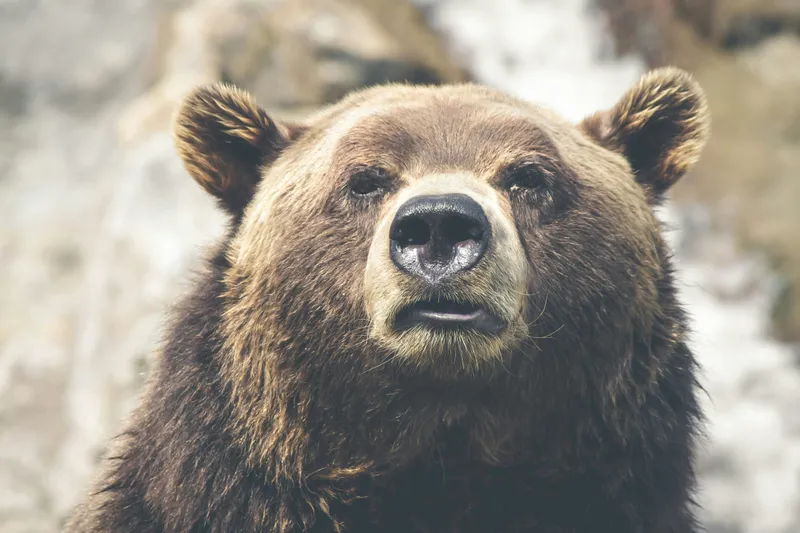
Mindfulness is the act of being fully present in the moment, observing our thoughts and feelings without judgment. When we step outside into nature, we engage our senses in ways that help ground us. The rustling leaves, the chirping of birds, and the sight of majestic animals like the grizzly bear can bring our awareness into the now, allowing us to experience life more vividly.
The Role of Wildlife in Mindfulness
Wildlife plays a crucial role in our connection to the natural world. Observing animals in their natural habitat can evoke feelings of awe and wonder, reminding us of the beauty and complexity of life. Here are some ways that wildlife enhances mindfulness:
- Sensory Engagement: Watching a grizzly bear fishing in a river or listening to the call of a distant bird activates our senses, drawing us into the present moment. This sensory engagement is key to practicing mindfulness.
- Lessons in Presence: Animals live in the moment; they are not burdened by past regrets or future worries. By observing wildlife, we can learn to embody this presence, cultivating a mindset that values the here and now.
- Connection to Ecosystems: Understanding the role of wildlife in ecosystems helps us appreciate the interconnectedness of life. This awareness can inspire eco-friendly living practices, as we recognize our responsibility to protect these creatures and their habitats.
Nature Therapy: A Pathway to Wellness
Nature therapy is a therapeutic practice that utilizes the healing aspects of nature to improve mental and physical health. Immersing ourselves in natural settings, especially those rich in wildlife, can reduce stress, lower blood pressure, and enhance overall well-being. Here are some benefits of incorporating nature therapy into your mindfulness routine:
- Stress Reduction: Spending time in nature has been shown to lower cortisol levels, leading to reduced stress and anxiety. Observing wildlife can amplify these effects, providing a calming influence.
- Enhanced Mood: Exposure to natural environments increases serotonin levels, which can improve mood and feelings of happiness. The sight of playful animals or graceful birds can elevate our spirits.
- PromotesEco-Friendly Living: Engaging with wildlife fosters a sense of stewardship towards the environment. When we become aware of the beauty and fragility of nature, we are more likely to adopt eco-friendly living practices to protect it.
How to Connect with Wildlife Mindfully
Here are some practical tips for integrating wildlife observation into your mindfulness practice:
- Take Mindful Walks: Find a local park or nature reserve where you can observe wildlife. Walk slowly, breathe deeply, and engage with your surroundings. Notice the sights, sounds, and smells of nature.
- Practice Stillness: Choose a spot where you can sit quietly and observe. This could be near a bird feeder or by a river where grizzly bears might be spotted. Allow yourself to be present, observing without interference.
- Document Your Observations: Keep a journal of your wildlife encounters. This practice can deepen your connection to nature and enhance your mindfulness experience.
Conclusion
Connecting with wildlife is a powerful way to enhance mindfulness practices. As we immerse ourselves in nature and observe the beauty of animals like the grizzly bear , we cultivate a greater sense of peace and well-being. By embracing nature therapy , we not only promote our own wellness but also contribute to a more sustainable and eco-friendly living environment. So, step outside, breathe in the fresh air, and let the wonders of wildlife guide you on your mindfulness journey.
Related articles
Mindfulness in Nature: Lessons from Yellowstone's Bear Family
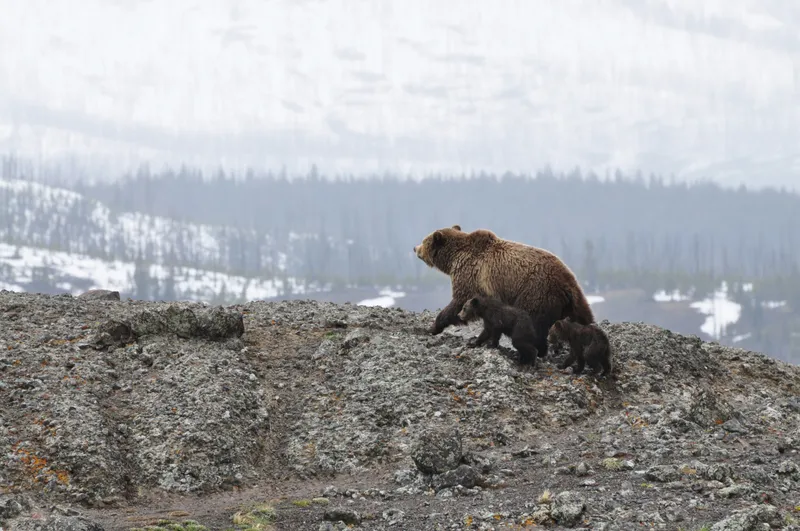
In the heart of Yellowstone , nature unfolds its wonders, teaching us valuable lessons about mindfulness , wellness , and living an eco-friendly lifestyle. One of the most captivating inhabitants of this national park is the grizzly bear. Observing a grizzly bear family can offer profound insights into the practice of being present in the moment and appreciating the beauty of the natural world around us.
The Importance of Wildlife for Mental Well-Being
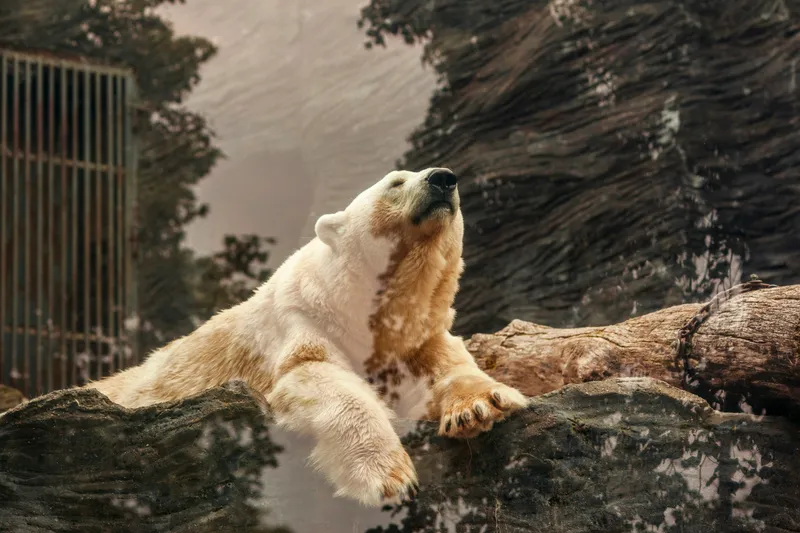
In our fast-paced world, mental well-being has become a priority for many individuals seeking balance and peace. One of the most effective yet often overlooked methods to enhance our mental well-being is through the connection with wildlife and nature. This article explores how engaging with wildlife and practicing mindfulness in natural settings can significantly improve our overall wellness.
The Benefits of Nature: How Flowers and Wildlife Enhance Mental Health
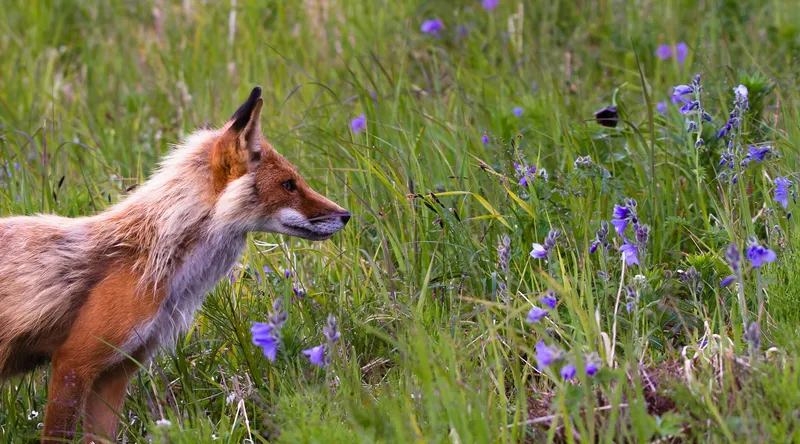
In our fast-paced world, the importance of mindfulness and wellness has never been more critical. One of the most effective ways to achieve mental clarity and emotional balance is through nature therapy. Immersing ourselves in the beauty of flowers and the presence of wildlife can significantly enhance our mental health. In this article, we will explore the myriad benefits of connecting with nature and how it contributes to a more eco-friendly lifestyle.
Explore these topics
- mindfulness(1511)
- eco-friendly-living(842)
- nature-therapy(565)
- wildlife(21)