Mindful Hiking: Connecting with Nature on Woodland Paths
Mindful Hiking: Connecting with Nature on Woodland Paths
Hiking through woodland paths offers an incredible opportunity to practice mindfulness and embrace the great outdoors. In our fast-paced world, where stress often overshadows our daily lives, finding time to connect with nature can significantly enhance our wellness. This article explores how you can engage in mindfulhiking and cultivate a deeper relationship with the environment around you.
The Benefits of Mindful Hiking
Engaging in hiking with a mindfulness approach allows you to immerse yourself in the present moment. Here are some benefits:
- Enhanced Mental Clarity : As you walk through serene woodland areas, pay attention to the sights and sounds. This practice can clear your mind and help you focus on what truly matters.
- Stress Reduction : Nature has a remarkable ability to soothe our minds. By embracing the tranquility of the outdoor environment, you can significantly reduce stress levels and promote a sense of calm.
- PhysicalWellness: Hiking is an excellent form of exercise that improves cardiovascular health, strengthens muscles, and enhances overall physical fitness. Keeping your body active contributes to your overall wellness.
- Eco-Friendly Living: By choosing to hike in nature , you foster a sense of responsibility towards the environment. Understanding the importance of preserving these spaces encourages sustainable and eco-friendly living.
Practicing Mindfulness on Woodland Trails
1. Prepare Your Mind
Before embarking on your hike, take a moment to set your intention. Ask yourself what you hope to gain from this experience. Is it clarity, peace, or simply a chance to enjoy nature? This mental preparation will guide your journey.
2. Engage Your Senses
As you step onto the trail, immerse yourself in your surroundings:
- Sight : Observe the varying shades of green in the leaves and the intricate patterns of tree bark.
- Sound : Listen to the rustling leaves, chirping birds, and the gentle breeze.
- Touch : Feel the textures of the trail beneath your feet and the cool air against your skin.
- Smell : Breathe in the earthy scent of the forest and the fragrance of wildflowers.
3. Walk at a Comfortable Pace
There’s no need to rush. Walking slowly allows you to appreciate the woodland environment fully. Notice how your body feels with each step, and maintain a rhythm that feels right for you.
4. Practice Gratitude
Pause occasionally to express gratitude for the beauty around you. Take a moment to appreciate the trees, the sky, and the wildlife. This practice fosters a deeper connection with nature and reinforces your commitment to eco-friendly living.
5. Reflect and Journal
Once you complete your hike, take some time to reflect on your experience. Consider journaling about your thoughts, feelings, and any insights you gained during your time in the outdoor environment. This reflection can deepen your understanding of your connection to nature and promote ongoing wellness.
Conclusion
Mindfulhiking is more than just a physical activity; it’s a holistic approach to connecting with nature. By integrating mindfulness into your hikes on woodland paths, you can enhance your overall wellness , reduce stress, and foster an appreciation for the environment that encourages eco-friendly practices. So lace up your hiking boots, head out into the woods, and let nature guide you on a journey of mindfulness and wellness.
!
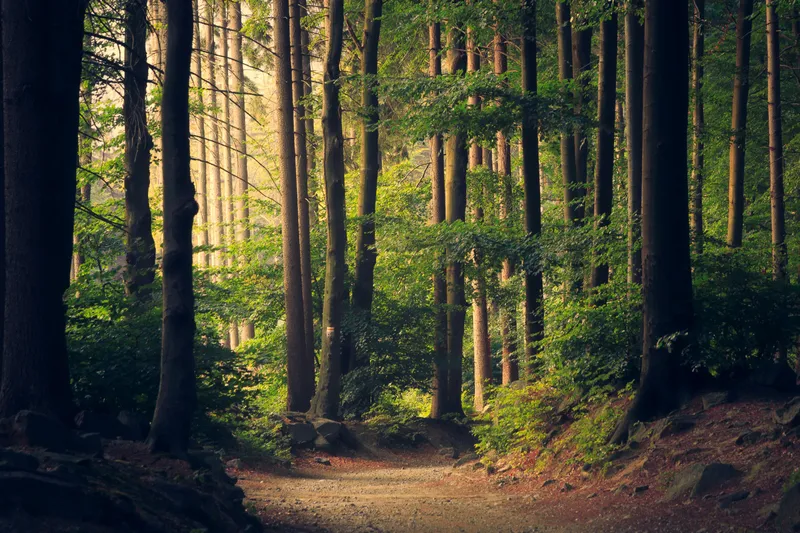
Photo description: A serene view of forest trees, inviting you to connect withnature.
Related articles

Embracing Nature: The Wellness Benefits of Outdoor Elements
In today’s fast-paced world, mindfulness and wellness have become essential practices for maintaining a balanced life. One of the most effective ways to achieve these goals is by reconnecting with nature. This article explores the remarkable wellness benefits of spending time outdoors and how we can incorporate eco-friendly practices into our daily lives. !
Finding Peace in Nature: The Benefits of Outdoor Serenity
In today's fast-paced world, where stress and anxiety often overshadow our daily lives, embracing mindfulness in nature can provide a refuge for our mental health. The great outdoors offers a unique opportunity to reconnect with ourselves and the earth, fostering a sense of wellness that is often lacking in urban environments. In this article, we explore the myriad benefits of outdoor serenity and how engaging with nature can enhance our overall well-being.

Embracing Nature: The Benefits of Outdoor Mindfulness
In our fast-paced world, taking a moment to pause and connect with nature can be a powerful tool for enhancing our overall wellness. Outdoor mindfulness practices not only ground us but also promote a sense of peace and balance, crucial for our mental and emotional health. This article explores the myriad benefits of embracing nature through mindfulness and encourages you to adopt eco-friendly habits that nurture both you and the environment. !
Explore these topics
- mindfulness(1511)
- wellness(1115)
- nature(639)
- eco-friendly(553)
- hiking(25)