The Importance of Wildlife Conservation for a Balanced Ecosystem
The Importance of Wildlife Conservation for a Balanced Ecosystem
In our fast-paced world, where technology often overshadows the beauty of nature, the importance of wildlife conservation cannot be overstated. This is particularly relevant for those of us who embrace eco-friendly living as part of our daily lives. Conserving wildlife is not just about saving endangered species like the rhinoceros ; it is about maintaining the delicate balance of our ecosystems, which in turn supports our health and wellness.
Understanding Biodiversity and Its Role
Biodiversity is the variety of life found on Earth, encompassing all living organisms, their interactions, and the ecosystems they form. A rich biodiversity ensures natural sustainability for all life forms. It provides us with essential services, including clean air, water purification, and fertile soil. The decline of biodiversity can lead to ecosystem collapse, which can have dire consequences for human health and wellbeing.
The Connection Between Mindfulness and Wildlife Conservation
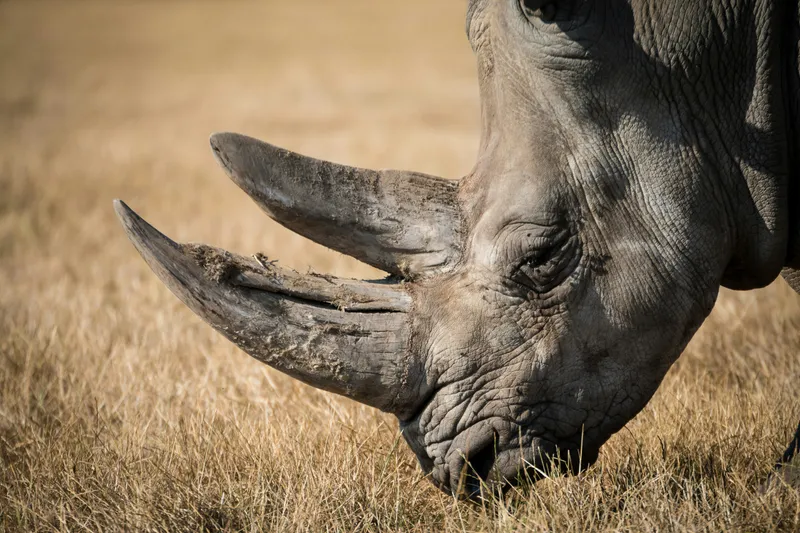
Practicing mindfulness involves being present and aware of our surroundings, which can deepen our appreciation for nature. Engaging with wildlife—whether it’s observing a rhinoceros grazing in its natural habitat or listening to the songs of birds—can enhance our mental wellness and foster a sense of connection to the earth. By adopting a mindful approach to nature, we become more conscious of our actions and their impact on the environment.
The Ecological Importance of Species Like the Rhinoceros
The rhinoceros is not just an iconic species; it plays a crucial role in its ecosystem. As a herbivore, it contributes to the maintenance of the grasslands and forests where it resides. By grazing on certain plants, it helps to control vegetation growth, which in turn supports a variety of other species. The loss of such a keystone species can lead to detrimental changes in the ecosystem, highlighting the importance of wildlife conservation efforts.
How to Support Eco-Friendly Living and Wildlife Conservation
- Educate Yourself and Others : Understanding the importance of biodiversity and the role of different species in our ecosystem is the first step toward becoming an effective advocate for wildlife conservation.
- Support Conservation Organizations : Contributing to or volunteering with organizations dedicated to wildlife protection can make a significant difference. These groups work tirelessly to protect habitats and endangered species like the rhinoceros.
- Practice Sustainable Living : Make conscious choices in your daily life that promote eco-friendly living. This includes reducing waste, using sustainable products, and supporting local wildlife-friendly businesses.
- Engage inNature Appreciation: Spend time outdoors, whether hiking, bird watching, or simply enjoying your local park. This connection to nature fosters a deeper appreciation for wildlife and the ecosystems they inhabit.
- Advocate for Policy Changes : Use your voice to support legislation that protects wildlife and natural habitats. Engage with local representatives and promote policies that prioritize conservation.
Conclusion
The link between wildlife conservation , biodiversity , and our overall health is undeniable. By fostering a mindset of mindfulness and embracing eco-friendly living , we can contribute to a healthier planet for ourselves and future generations. Let’s work together to protect magnificent creatures like the rhinoceros and ensure that our ecosystems remain balanced and vibrant. Together, we can make a difference—one mindful choice at a time.
Related articles
The Importance of Wildlife Conservation: Understanding the Endangered Giant
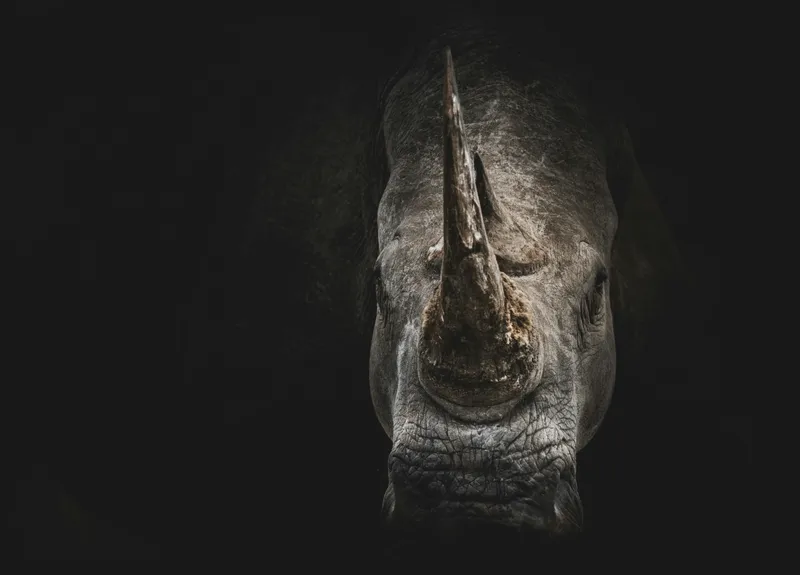
In a world increasingly driven by urbanization and industrialization, wildlife conservation has become more critical than ever. Among the many species that are fighting for survival, the gray rhino stands out as a poignant symbol of the challenges facing our planet's biodiversity. This article explores the importance of conserving endangered species like the gray rhino and how it aligns with our commitment to eco-friendly living , mindfulness , and overall wellness.

Mindful Living: The Unseen Beauty of Nature's Textures
In our fast-paced world, it is easy to overlook the subtle beauty that surrounds us. Mindfulness invites us to slow down and appreciate the intricate details of our environment. One of the most fascinating aspects of this appreciation is the exploration of nature's textures. From the rough bark of a tree to the delicate patterns on a Guinea feather , every element of nature offers a unique sensory experience that can enhance our connection to the world.

Finding Beauty in Nature: The Mindfulness of Water Patterns
In our fast-paced world, mindfulness has become a sanctuary for many seeking peace and clarity. One of the most profound ways to cultivate this practice is through nature appreciation , particularly by observing the intricate patterns formed by water. From the gentle ripples of a tranquil pond to the mesmerizing flow of a river, water patterns offer us a unique lens through which we can connect with our environment and enhance our wellness.
Explore these topics
- mindfulness(1511)
- eco-friendly-living(842)
- nature-appreciation(14)
- biodiversity(3)