Embracing Nature's Colors: The Influence of Natural Phenomena on Wellness
Embracing Nature's Colors: The Influence of Natural Phenomena on Wellness
Nature is a vibrant palette, a spectrum of colors that can deeply influence our mindfulness and overall wellness. From the calming blues of the ocean to the invigorating greens of lush forests, the hues we encounter in nature can serve as powerful tools for color therapy. In this article, we explore how different colors found in natural phenomena affect our mental state and promote eco-friendly living.
The Power of Color in Nature
Colors are not merely visual stimuli; they have profound psychological effects on our emotions and thoughts. In the realm of mindfulness , being aware of these colors can enhance our connection to the environment and ourselves. Here’s how different colors found in nature can influence our wellness:
1. Blue: Calmness and Serenity
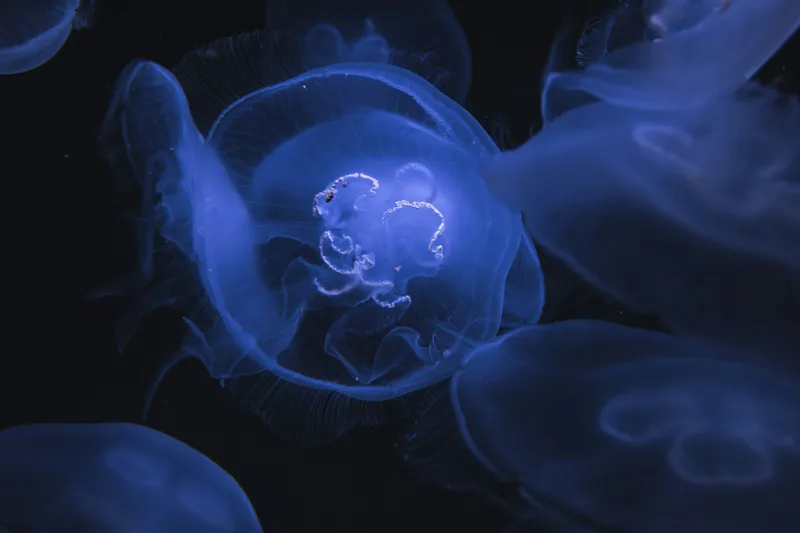
The deep blue of the sky and the tranquil waters of a lake evoke feelings of peace and tranquility. Blue is often associated with calmness, making it an ideal color for meditation spaces. Incorporating elements of blue into your home or outdoor space can encourage a sense of relaxation, fostering a mindful environment.
2. Green: Renewal and Growth
Green is the color of life and renewal. It embodies growth, nature, and freshness. Surrounding ourselves with greenery, whether through houseplants or by spending time in parks, can help reduce stress and promote emotional wellness. The practice of eco-friendly living aligns beautifully with this concept, as we can cultivate gardens and green spaces that nurture both ourselves and the planet.
3. Yellow: Energy and Happiness
The bright yellows found in sunflowers and autumn leaves can uplift our spirits and boost energy. This color is often linked to happiness and optimism. Bringing yellow flowers into your home or wearing it can enhance your mood and create a warm, inviting atmosphere.
4. Red: Passion and Vitality
Red is a color of passion and vitality. It symbolizes strength and courage, often seen in the fiery sunsets or the rich hues of autumn. While red can stimulate energy, it’s essential to use it mindfully, as too much can lead to feelings of agitation.
5. Purple: Creativity and Inspiration
Purple is often associated with creativity and spirituality. The stunning purples of sunrise or sunset can inspire us to explore our creative sides. Engaging with art while surrounded by nature can enhance this feeling, promoting a mindful approach to exploring our inner selves.
Natural Phenomena and Their Colorful Impact
Natural phenomena, like auroras, rainbows, and colorful sunsets, create breathtaking displays that can elevate our wellness. Observing these wonders helps us practice mindfulness , connecting us to the present moment. The following examples illustrate how these moments can enhance our well-being:
- Aurora Borealis : The ethereal greens and purples of the Northern Lights are not just visually stunning; they remind us of the beauty and mystery of the natural world. Witnessing such phenomena can evoke profound feelings of awe and gratitude.
- Rainbows : After a rainstorm, the appearance of a rainbow can symbolize hope and renewal. This spectrum of colors can inspire us to embrace positivity and foster an optimistic outlook on life.
- Sunsets : The soft gradients of colors during sunset can evoke feelings of calm and reflection, encouraging mindfulness at the end of a busy day.
Incorporating Nature’s Colors into Your Life
To fully embrace the influence of nature’s colors on your wellness , consider the following tips:
- Create a Colorful Garden : Plant a variety of flowers and plants that bloom in different colors to create a peaceful outdoor space.
- Use Color in Mindful Practices : Incorporate colors into your meditation or yoga practices. For example, visualize calming blue light while meditating to enhance relaxation.
- Engage with Art : Use natural colors in your artistic endeavors. Painting or crafting with the hues of nature can enhance your creativity and mindfulness.
Conclusion
Embracing the colors of nature not only beautifies our surroundings but also enriches our wellness and promotes a mindful lifestyle. By understanding the psychological effects of these colors and incorporating them into our lives, we can enhance our connection with nature and foster a more eco-friendly living approach. Let the vibrant palette of the natural world inspire you to cultivate peace, creativity, and joy in every aspect of life.
!
An artistic representation of the calming effects ofnature’s colors, illustrated through purple and black smoke.
Related articles
The Art of Colorful Mindfulness: Creating Splashing Beauty in Nature
In our fast-paced world, mindfulness offers a sanctuary where we can reconnect with ourselves and the environment around us. One beautiful way to practice mindfulness is through color therapy – an artistic approach that taps into our innate creativity and appreciation for nature. This article explores how you can engage in eco-friendly outdoor activities that celebrate the vibrant colors of our planet, promoting both well-being and environmental consciousness.

Exploring the Art of Color: Nature-Inspired Mindfulness
In a world brimming with distractions, mindfulness has emerged as a beacon of peace and clarity. One fascinating approach to cultivate this state of being is through the art of color , particularly by drawing inspiration from nature. By integrating color therapy into our daily lives, we can enhance our emotional wellbeing while promoting eco-friendly living.
The Calming Effects of Color in Wellness Spaces
Color plays a significant role in our daily lives, influencing our moods, thoughts, and overall wellness. In the realm of mindfulness and eco-friendly living, understanding the impact of colors, particularly blue and purple , becomes crucial. This article explores the concept of color therapy and how it can enhance tranquility in wellness spaces.
Explore these topics
- mindfulness(1511)
- wellness(1115)
- eco-friendly-living(842)
- nature(639)
- color-therapy(5)