The Importance of Controlled Burns in Forest Management
The Importance of Controlled Burns in Forest Management
In the realm of eco-friendly practices, one might not immediately think of fire as a tool for forest management , but controlled burns are an essential technique that serves multiple purposes. These intentional fires are carefully planned and executed to enhance the health of forests and promote biodiversity while simultaneously aiding in wildfire prevention. Let’s explore how these practices contribute to sustainability and the overall wellness of our ecosystems.
What are Controlled Burns?
Controlled burns , also known as prescribed fires, are fires that are deliberately set under controlled conditions. The primary aim is to manage forest resources effectively while reducing the risk of uncontrolled wildfires. Fire is a natural part of many ecosystems, and when applied correctly, it can mimic the effects of natural fires, rejuvenating the landscape.
Benefits of Controlled Burns
1. Wildfire Prevention
One of the most critical aspects of controlled burns is their role in wildfire prevention. By reducing the amount of dry, dead vegetation and other combustible materials, controlled burns decrease the potential fuel for wildfires. This practice helps to create a safer environment for both wildlife and human communities living near forested areas. The proactive approach of utilizing fire as a management tool can significantly decrease the intensity of wildfires when they occur, thus protecting homes and natural habitats alike.
2. Enhancing Biodiversity
Controlled burns can have a positive impact on biodiversity. Many plant species in fire-prone areas have adapted to fire and depend on it for their lifecycle. For instance, certain seeds only germinate after exposure to fire, promoting a diverse range of flora. This diversity, in turn, supports a variety of fauna, creating a balanced ecosystem. By implementing controlled burns, land managers can foster habitats that nurture wildlife and encourage a thriving natural environment.
3. Soil Health and Nutrient Recycling
Fire is a powerful agent of change in the soil. The ash produced by controlled burns enriches the soil with nutrients, creating a fertile ground for new plant growth. This nutrient recycling is vital for maintaining the health of the ecosystem. Additionally, the removal of old, decaying plant material allows sunlight to penetrate the forest floor, encouraging the growth of new vegetation that supports wildlife.
4. Promoting Sustainability
The practice of using controlled burns aligns with principles of sustainability. By managing forests through fire, we can ensure that these vital ecosystems remain healthy and productive for generations to come. This approach not only benefits the environment but also supports the livelihoods of communities that rely on forest resources.
Mindfulness in Forest Management
Incorporating mindfulness into forest management practices is essential. By recognizing the interconnectedness of all living things, we can appreciate the role that fire plays in maintaining ecological balance. Practitioners of mindfulness can approach controlled burns with an understanding of their benefits, emphasizing a respectful and intentional use of fire. This perspective fosters a deeper connection to nature and encourages individuals to engage with and protect their local environments.
Conclusion
Controlled burns are a vital tool in the realm of forest management , contributing significantly to wildfire prevention , biodiversity , and overall sustainability. By embracing this eco-friendly approach, we can help ensure that our forests remain resilient and healthy in the face of climate change and human impact. As stewards of the environment, it is our responsibility to advocate for practices that honor the natural cycles of our ecosystems, promoting wellness for all living beings.
!
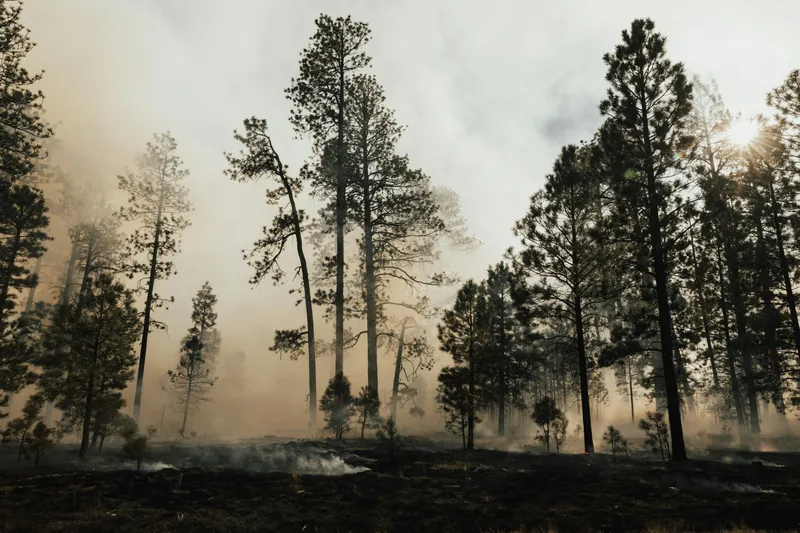
Silhouette of trees in a thriving forest ecosystem, highlighting the benefits of controlled burns.
Related articles

The Importance of Wildlife Conservation for a Balanced Ecosystem
In our fast-paced world, where technology often overshadows the beauty of nature, the importance of wildlife conservation cannot be overstated. This is particularly relevant for those of us who embrace eco-friendly living as part of our daily lives. Conserving wildlife is not just about saving endangered species like the rhinoceros ; it is about maintaining the delicate balance of our ecosystems, which in turn supports our health and wellness.

The Importance of Wildlife Conservation: Understanding the Endangered Giant
In a world increasingly driven by urbanization and industrialization, wildlife conservation has become more critical than ever. Among the many species that are fighting for survival, the gray rhino stands out as a poignant symbol of the challenges facing our planet's biodiversity. This article explores the importance of conserving endangered species like the gray rhino and how it aligns with our commitment to eco-friendly living , mindfulness , and overall wellness.

Embracing Nature: The Benefits of Eco-Friendly Living
In our fast-paced world, the connection to nature often gets lost amidst the chaos of daily routines. However, embracingnature through eco-friendly living not only promotes wellness but also enhances our overall quality of life. This article explores the myriad benefits of adopting a lifestyle that prioritizes sustainability and mindfulness in our interactions with the environment.
Explore these topics
- eco-friendly(553)
- sustainability(8)
- biodiversity(3)