The Impact of Pollution on Oceanic and Mountain Ecosystems
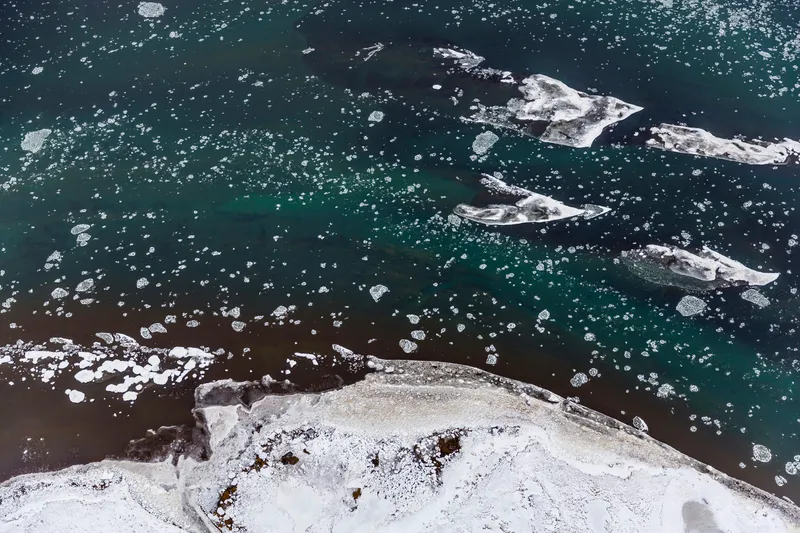
The Impact of Pollution on Oceanic and Mountain Ecosystems
In our fast-paced world, the connection between our wellness and the health of our environment is often overlooked. The impact of pollution on both ocean and mountain ecosystems can have far-reaching consequences, not only for wildlife but also for our own well-being. Understanding these effects is essential for promoting eco-friendly living and fostering a sense of mindfulness towards our planet.
Understanding Pollution
Pollution manifests in various forms, including chemical runoff, plastic waste, and air pollutants, all of which can infiltrate our precious ecosystems. The environmental impact of these pollutants is profound, affecting the intricate balance of life in both the ocean and mountainous regions.
Ocean Ecosystems Under Siege
The ocean covers more than 70% of the Earth's surface, housing an incredible diversity of flora and fauna. However, marine life is increasingly threatened by pollution.
- Chemical Runoff : Agricultural practices often lead to fertilizers and pesticides washing into rivers and streams, eventually making their way to the sea. This nutrient overload causes harmful algal blooms, which deplete oxygen and create dead zones, severely impacting marine biodiversity.
- Plastic Waste : Millions of tons of plastic enter the ocean each year, harming marine animals and disrupting food chains. Sea turtles mistake plastic bags for jellyfish, while birds ingest plastic debris, leading to starvation and death.
The health of our oceans is directly linked to our own wellness. Contaminated seafood can pose health risks to humans, and the loss of marine biodiversity compromises the ecosystems that regulate our climate and provide resources.
The Fragility of Mountain Ecosystems
Mountain ecosystems, often seen as pristine and untouched, are also vulnerable to pollution. The activities of human civilization, including tourism and industrial development, contribute to the degradation of these habitats.
- AirPollution: Smoke and emissions from vehicles and factories can travel long distances, leading to acid rain that damages delicate alpine flora and fauna. This shift in ecosystem balance can endanger species that rely on specific environmental conditions.
- Waste Management : Increased tourism in mountainous areas often results in litter and waste that can pollute the pristine environments. Proper waste disposal is crucial to maintaining the natural beauty and ecological health of these regions.
Cultivating Mindfulness and Eco-Friendly Practices
Recognizing the environmental impact of pollution on both ocean and mountain ecosystems is a call to action for all of us. By adopting eco-friendly practices, we can contribute to the health of our planet and enhance our own wellness. Here are some mindful steps to take:
- Reduce, Reuse, Recycle : Embrace a lifestyle that minimizes waste. Aim to reduce your consumption of single-use plastics and engage in recycling practices.
- Support Clean-Up Initiatives : Participate in local beach and mountain clean-up events to help remove pollution from natural habitats.
- Educate and Advocate : Share knowledge about the effects of pollution on ecosystems with your community. Advocate for policies that protect our environment and support sustainable practices.
Conclusion
The impact ofpollution on oceanic and mountain ecosystems is a crucial issue that requires our attention. By cultivating mindfulness in our daily choices and adopting eco-friendly habits, we can mitigate these effects and contribute to a healthier planet. In turn, this commitment to environmental wellness not only enhances our own lives but also preserves the natural beauty that surrounds us. Let us be stewards of the Earth, ensuring that both our oceans and mountains thrive for generations to come.
Related articles

The Impact of Space Exploration on Earth's Environment
As we venture further into the cosmos, one might wonder about the environmental impact of our quest to explore space. While the excitement of space exploration captivates our imagination, it also raises critical questions about sustainability and our planet's health. This article delves into the complexity of the relationship between space missions and Earth's environment, particularly focusing on pollution issues such as fog , smog , and other related challenges.
Embracing Nature: The Benefits of Coastal Environments on Mental Wellness
In today's fast-paced world, finding moments of mindfulness can feel like a daunting task. However, one of the most effective ways to reconnect with ourselves and improve our overall wellness is by immersing ourselves in the beauty of coastal environments. The rhythmic sound of sea waves , the fresh ocean air, and the breathtaking views of the shoreline all contribute to a profound sense of peace and tranquility. In this article, we’ll explore the numerous benefits of spending time by the coast…

Embracing the Fog: How Pollution Affects Wellbeing and What We Can Do
! In today's fast-paced world, urban living has become synonymous with the hustle and bustle of city life. However, this rapid development often comes at a cost: pollution. As we embrace the fog that envelops our cities, it's crucial to understand how pollution impacts our wellness and what we can do to foster a healthier, more eco-friendly environment.
Explore these topics
- wellness(1115)
- eco-friendly(553)
- ocean(37)
- mountain(14)
- pollution(5)